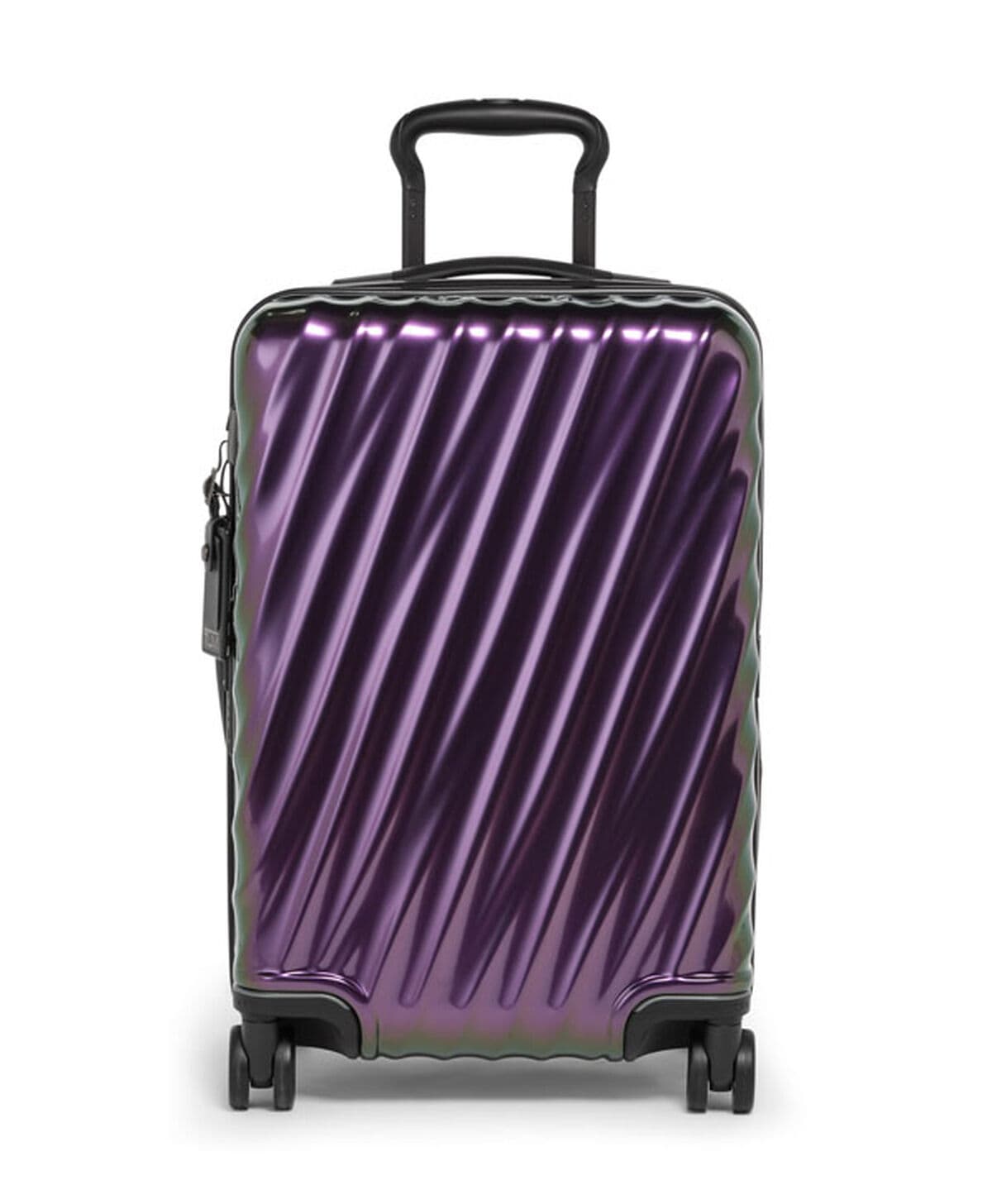
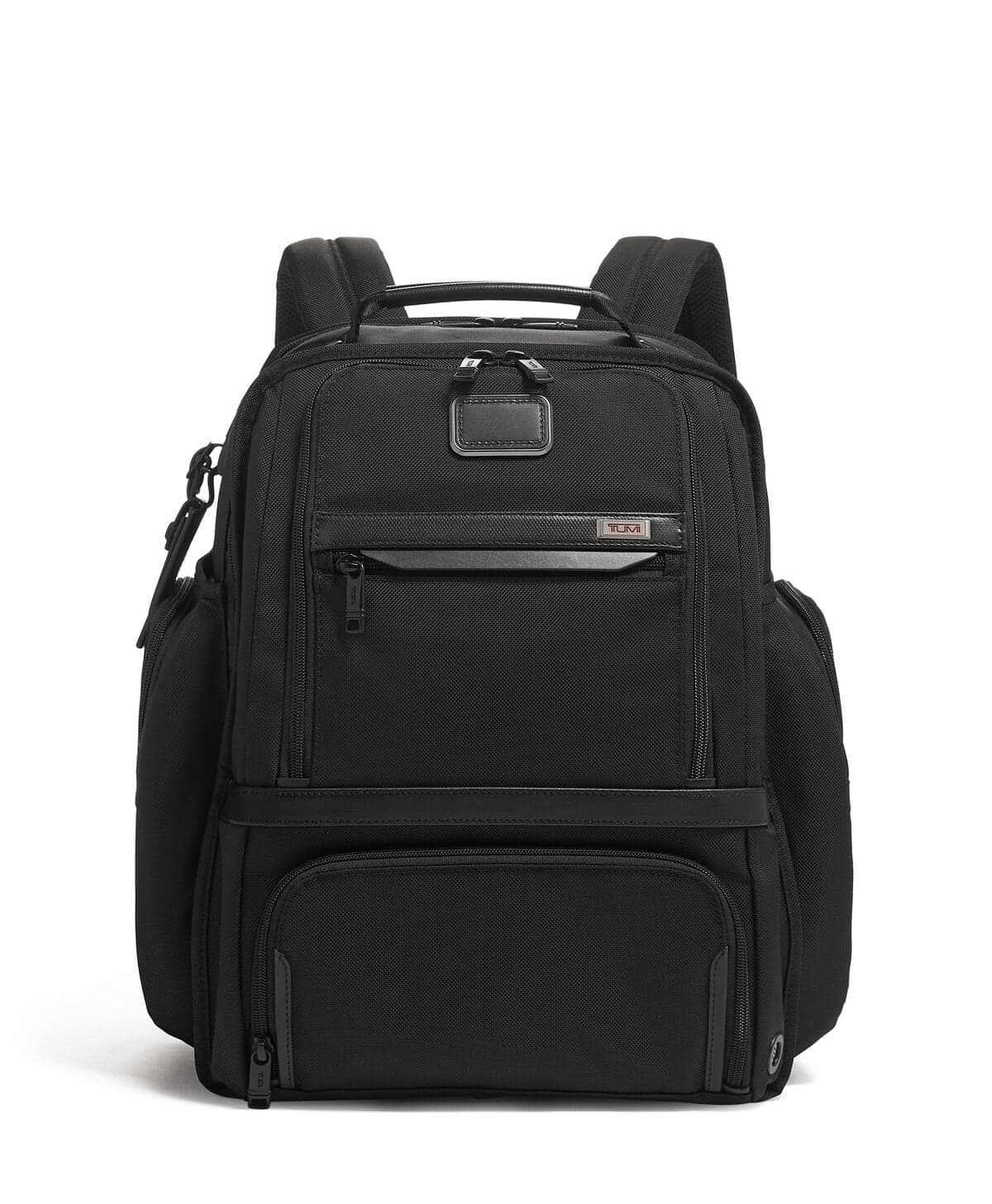
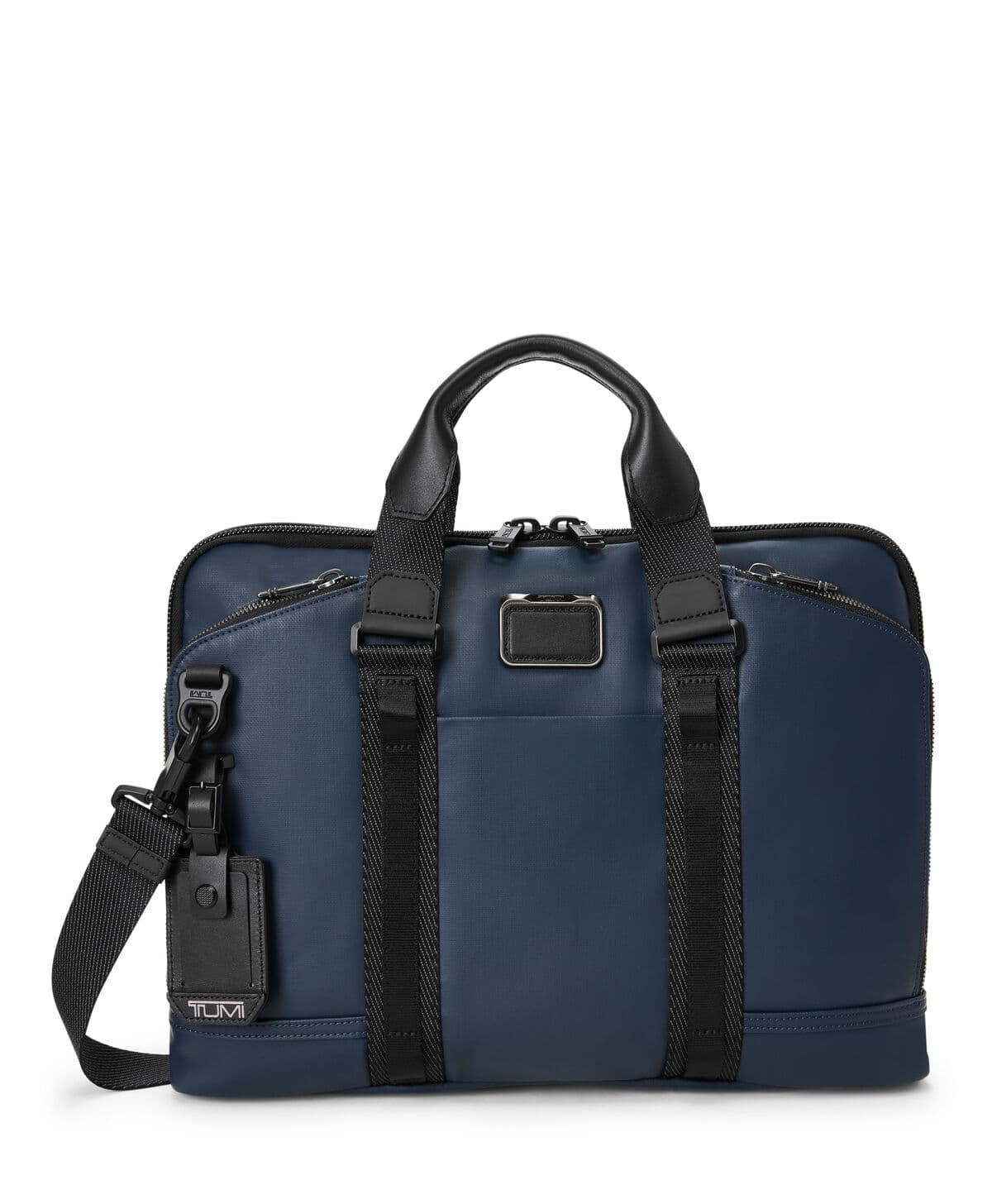
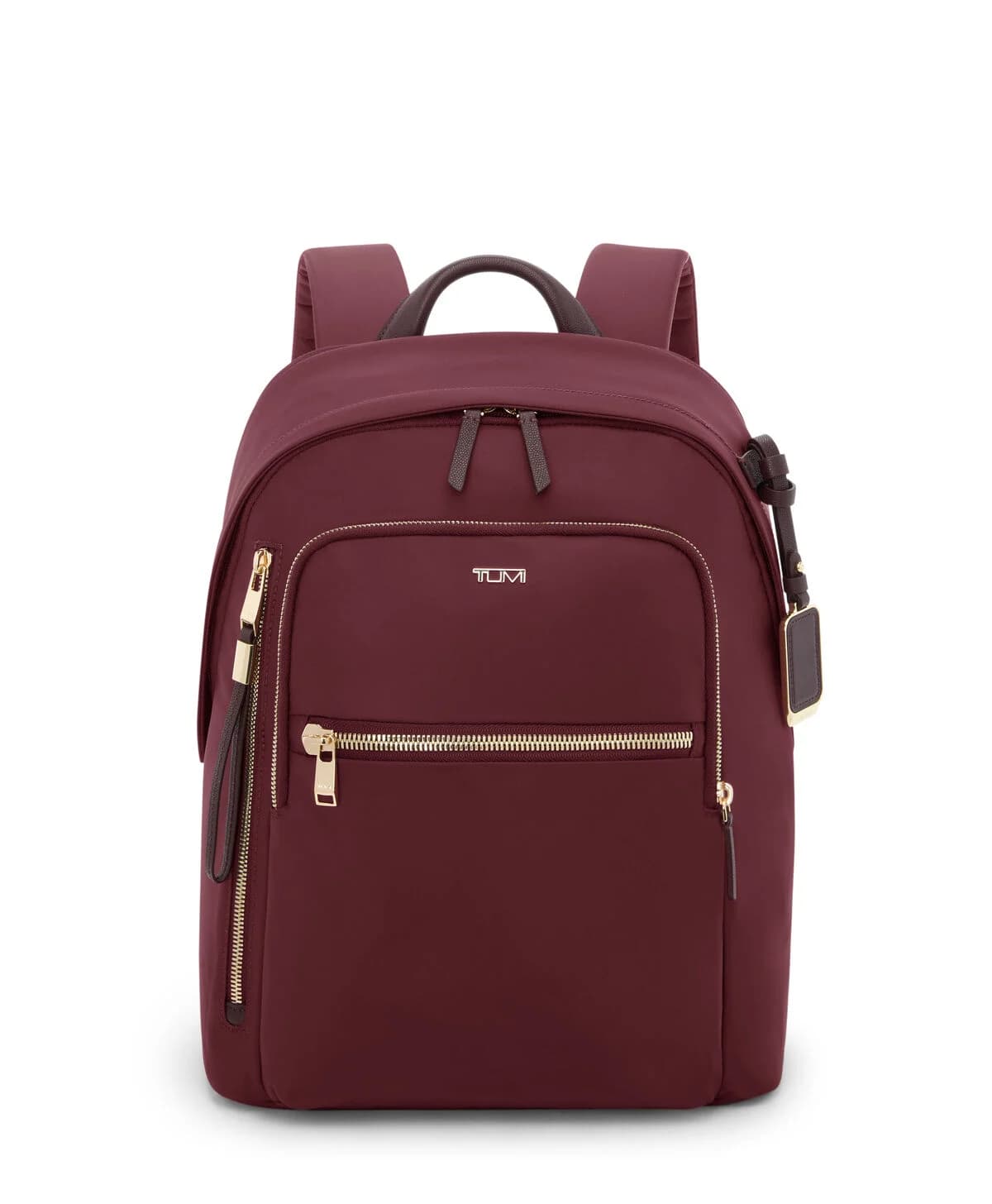
TUMI should be evaluated as a premium luggage and travel-accessories brand where customer service, returns, warranty coverage, repair services, and product-line fit shape buyer confidence. The profile should separate business bags, checked luggage, carry-ons, backpacks, and personalization services.
TUMI is worth comparing when you need a particular bag layout and want to investigate a documented repair route. The buying decision should start with the exact item category, not the TUMI name alone: the checked warranty distinguishes wheeled luggage and body-worn bags from selected accessories, and the first year from later coverage. Registration and a service network are useful records and routes, not promises that any loss, damage or seller will be covered.[2][4][5]
Best fit
Shoppers who can match the exact bag or case to what they carry, preserve proof of purchase and confirm an accessible support route. Someone buying primarily for a long warranty should read its scope and exclusions before comparing prices; a longer headline cannot answer whether the issue they care about is covered.
Reasons to shortlist
The published warranty separates item categories and coverage stages, helping you ask more precise questions before payment.
Repair-center and registration resources provide practical starting points for maintaining purchase information and seeking an assessment.
Limits to check
The warranty is limited: a first-year transit-damage provision should not be extended to every later year or every type of damage.
Brandifind has not tested luggage durability, a bag’s carrying comfort or a repair turnaround. TUMI Tracer registration is not evidence here of live location tracking or guaranteed recovery.
How this answer was formed: Source review of TUMI’s U.S. warranty and return pages, repair-center directory, registration information and the Samsonite group profile. Buying scenarios are suggested checks, not accounts of purchases, repairs or lost-bag recoveries performed by Brandifind.
Samsonite’s corporate profile lists TUMI in its brand portfolio and records the acquisition of TUMI in 2016.[1]
The ownership connection does not mean the two brands share identical products, materials, factories, prices or warranty terms.
Brand history
Source verified
The group’s TUMI history traces the brand to 1975. This is a brand-history fact, separate from the later acquisition.[1]
Do not use a founding date to infer the age, model generation or construction of an individual item.
Current headquarters
Unknown
The sources selected for this purchase guide did not establish a current TUMI headquarters field independently of the parent group and repair addresses.
A corporate-group location or repair-center address is not sufficient evidence for this field; it remains unknown rather than inferred.
Manufacturing location
Unknown
No single manufacturing country for every TUMI bag, suitcase and accessory was established by this review.
Check the exact item label and model documentation when origin matters. Brand ownership and collection names do not establish the origin of every component.
03Before checkout
Official,support,warranty,andreturnroutes
Official product and policy entry
Source verified
TUMI’s U.S. site supplies product navigation and linked customer policies for its luggage, bags and accessories.[2]
Use the correct country version and exact item page; a category name alone does not establish the construction or terms of a particular offer.
TUMI Canada publishes a service hub with regional return, warranty, repair and contact links. Use it when a U.S. policy link redirects you to a missing page on the Canadian site.[8]
This is a country-specific alternative, not a global policy. The page was available through the official indexed route, but automated access met a challenge. Confirm the country of purchase before applying any terms.
The checked U.S. warranty provides five-year coverage for wheeled luggage and body-worn bags, with two-year coverage for selected accessories. Transit damage is treated differently in the first year and subsequent years.[2]
The written conditions, product category, proof and authorized purchase channel still apply. Cosmetic damage and misuse are not converted into covered failures by a headline duration. U.S. links may redirect by location; the Canadian service source below is a separate regional starting point, not proof that the same policy applies.
TUMI’s U.S. policy describes a 30-day window for eligible unused products and distinguishes full-price, outlet, online and payment-specific return routes. Personalized products are final sale.[3]
Use the policy for the original country and transaction. Do not apply U.S. instructions or an ordinary-product return window to a different country or customized item. U.S. links may redirect by location; the Canadian service source below is a separate regional starting point, not proof that the same policy applies.
TUMI provides an official store-finder entry with store, outlet and retail location types. Use it as one starting point for resolving the seller identity.[6]
The reviewed locator output also contained a map-configuration warning. Confirm the exact seller through a working brand contact rather than treating the interface or a copied listing as proof.
Does the complete packed suitcase meet your flight’s conditions?[2]
Check: Record the product identifier, outer dimensions including wheels and handles, and whether expansion changes the measurement. Compare the packed case with the allowance on your own itinerary rather than assuming that an International or Continental label is an approval. Save the relevant carrier instructions alongside your product information.
Trade-off: Extra pockets and packing room can be useful but may affect how you use the available allowance. This profile does not verify any current airline limit, sizer result or guaranteed cabin acceptance.
02
Record the warranty stage
What event and purchase date would matter in a damage assessment?[2][4]
Check: Keep the delivery date, invoice, seller and item category together. Photograph an issue and describe what no longer functions, separating it from appearance. Ask the responsible party which process applies before choosing a repair route; do not send the bag somewhere simply because an address appeared in an older search result.
Trade-off: A detailed record can support an assessment but cannot pre-approve it. When comparing two offers, focus on the damage and service conditions relevant to your use, rather than assuming all years in a warranty are equivalent.
03
Registration without a recovery promise
What does a Tracer record actually add to your ownership file?[5]
Check: Register eligible products through the official route and retain your own receipt and product details separately. Check that your contact information remains usable when you move. Registration provides a record to consult; it should not replace the ordinary steps you would take with a carrier or service provider after losing a bag.
Trade-off: The reviewed Tracer page describes a serial-code registration system. It does not establish GPS hardware or a live map for your item, and Brandifind has not tested a recovery. Do not value registration as though it guarantees the return of lost property.
04
Check the bag before personalization
Have you tested the everyday layout before removing the return option?[3]
Check: Before adding a monogram or other customization, compare the exact bag with your laptop, charger, documents and normal travel load. Check access, closure and how it sits with another case. Keep the item within the seller’s stated condition requirements while deciding; ask about personalized-item treatment before placing the order.
Trade-off: Personalization may make an item more useful as a gift or personal possession, but it changes the return question. A product should meet its intended task before a cosmetic preference becomes the deciding factor.
05
Plan the service route while the bag is working
Would a service-center visit be realistic for your schedule?[4]
Check: Identify a current contact and ask what information is needed for an assessment. Clarify whether the issue can be evaluated in store or requires shipment, what costs could apply and when you should follow up. Keep a backup carrying plan if a work trip has a fixed date.
Trade-off: An advertised network is not a service-level agreement. Practical access and clear responsibility matter more than the number of locations on a page, and this review does not estimate how quickly your specific repair will finish.
06
A regional redirect changes the page
Did the link keep the intended country and policy, or redirect to a missing or different regional page?[8][2][3]
Check: Record the country in the address and the original purchase market. Use the Canadian service entry for Canadian navigation, or select the intended country on TUMI before finding its policy again. A challenge or redirect during an automated check is not evidence that the brand is fraudulent.
Trade-off: A working page from another country is useful navigation but does not silently replace the terms of the original transaction. Keep the source country and the purchase country in your record.
05Alternatives with a reason
CompareTUMIonaspecificdimension
Rimowa
Suitcase-specific warranty and repair comparison[2][7]
Common ground: Both brands provide written coverage and repair entry points that help frame an ownership comparison.
Meaningful difference: For a suitcase purchase, compare the qualifying RIMOWA guarantee with the applicable TUMI warranty, issue type and service route. Do not treat a TUMI backpack or accessory as equivalent to a wheeled RIMOWA case.
Use this comparison when: Useful when you already have two exact suitcase models and need to resolve packing layout, cosmetic expectations, repair access and coverage boundaries without inventing a durability ranking.
Supports: Category-based duration, coverage-stage distinctions and purchase-evidence requirements.
Does not prove: Does not pre-approve a specific claim or support a promise of unrestricted lifetime coverage. A Canada-based automated check redirected this U.S. path to a missing regional page. The cited text is the U.S. source; Canadian readers should use the separately listed Canadian service entry and confirm their own market terms.
Supports: Unused-condition, transaction-channel, original-country and personalization restrictions.
Does not prove: Applies to the stated U.S. routes, not an assumed global policy or any independent seller. A Canada-based automated check redirected this U.S. path to a missing regional page. The cited text is the U.S. source; Canadian readers should use the separately listed Canadian service entry and confirm their own market terms.
Supports: Country-specific service entry points for checking the appropriate repair route.
Does not prove: A directory does not guarantee hours, intake approval, parts stock or turnaround for a particular repair. A Canada-based automated check redirected this U.S. path to a missing regional page. The cited text is the U.S. source; Canadian readers should use the separately listed Canadian service entry and confirm their own market terms.
Supports: Serial-code registration, ownership-history purposes and regional registration instructions.
Does not prove: Does not establish real-time tracking, guaranteed recovery or authentication of an item inspected by Brandifind. Automated requests may encounter an access challenge; the registration page was available through the official indexed route.
Supports: A separately labelled Canadian entry linking to regional returns, warranty, repair and contact information.
Does not prove: This regional entry is not a substitute for U.S. transaction terms. Automated access was challenged during the availability test; a human visitor may need to complete normal site navigation.
07At a glance
WhatTUMIisknownfor
Best for frequent travelers who value durable materials, organized interiors, repair support, warranty context, and polished business-travel design.
Compare first with Rimowa, Samsonite, and Away when shell material, repair service, wheel durability, warranty, weight, or price-to-travel frequency matters most.